- Client: Bathe by Aluume
- Location: Queenstown, NZ
- Deliverables: HERO Photo and video content of location opening
- Canon R6, Godox V1 Pro flash, tripod, DJI RS2 Pro gimbal
Aluume opened their first of two locations in Queenstown in November 2025. I was commissioned to capture the lead up to the opening.
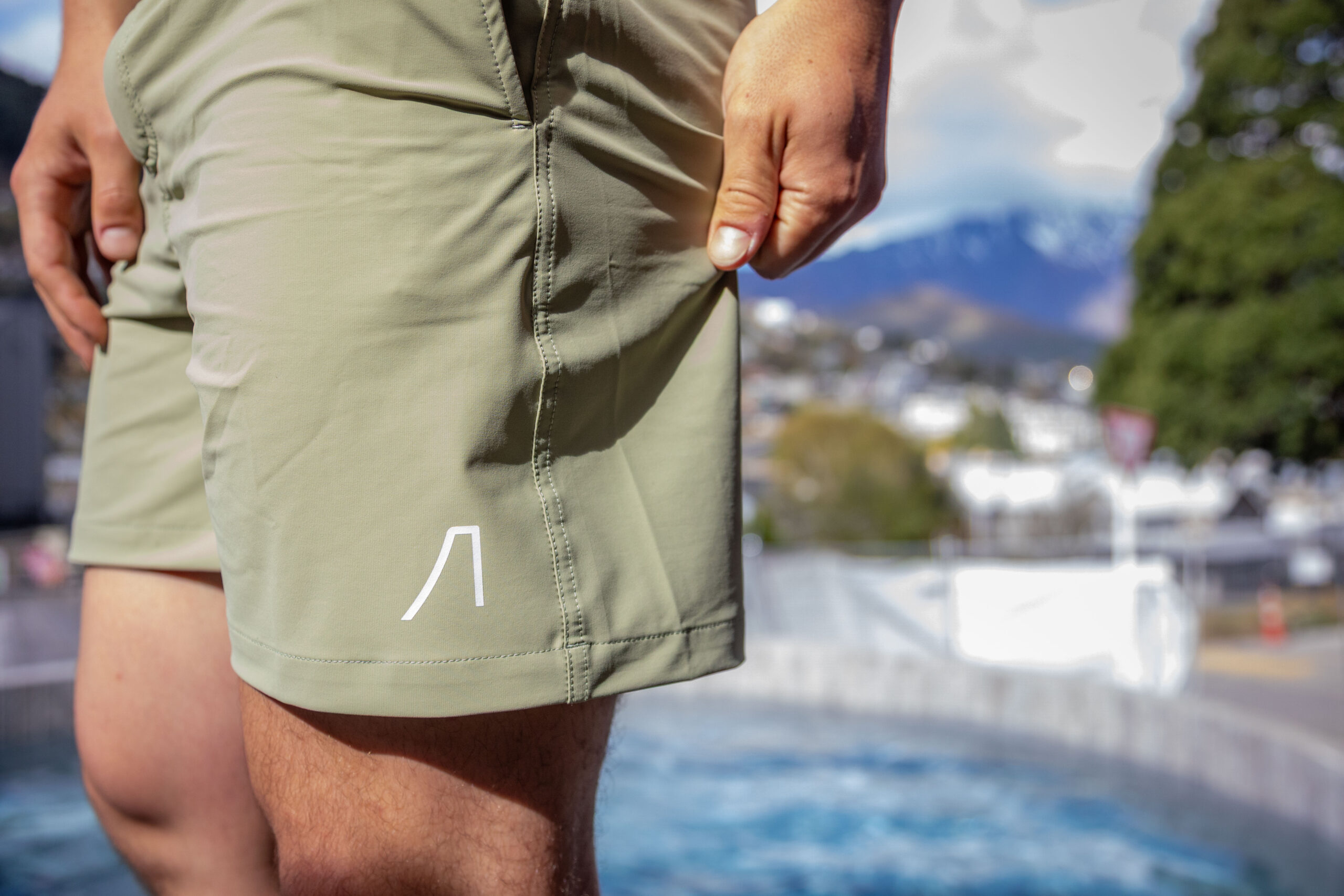
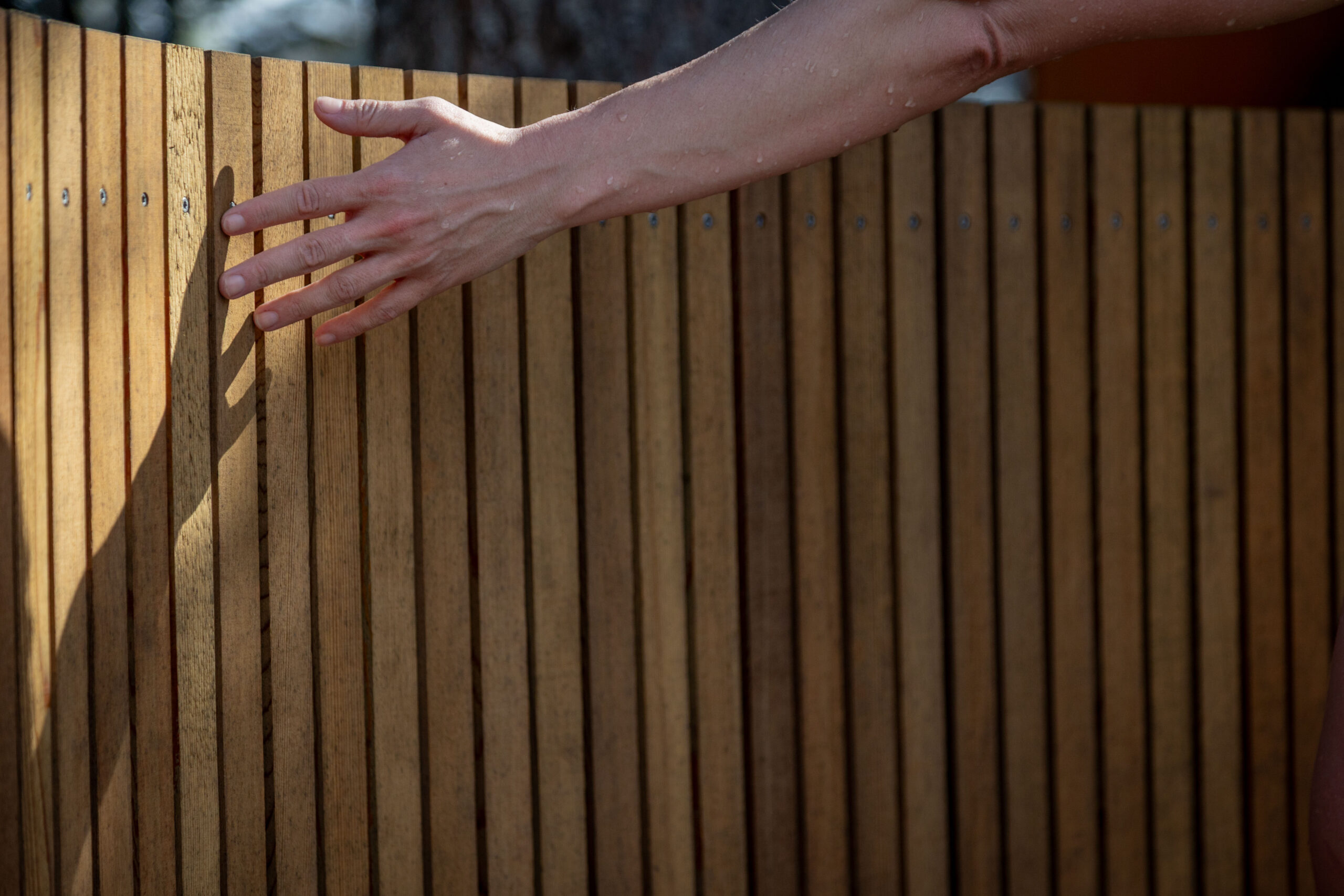
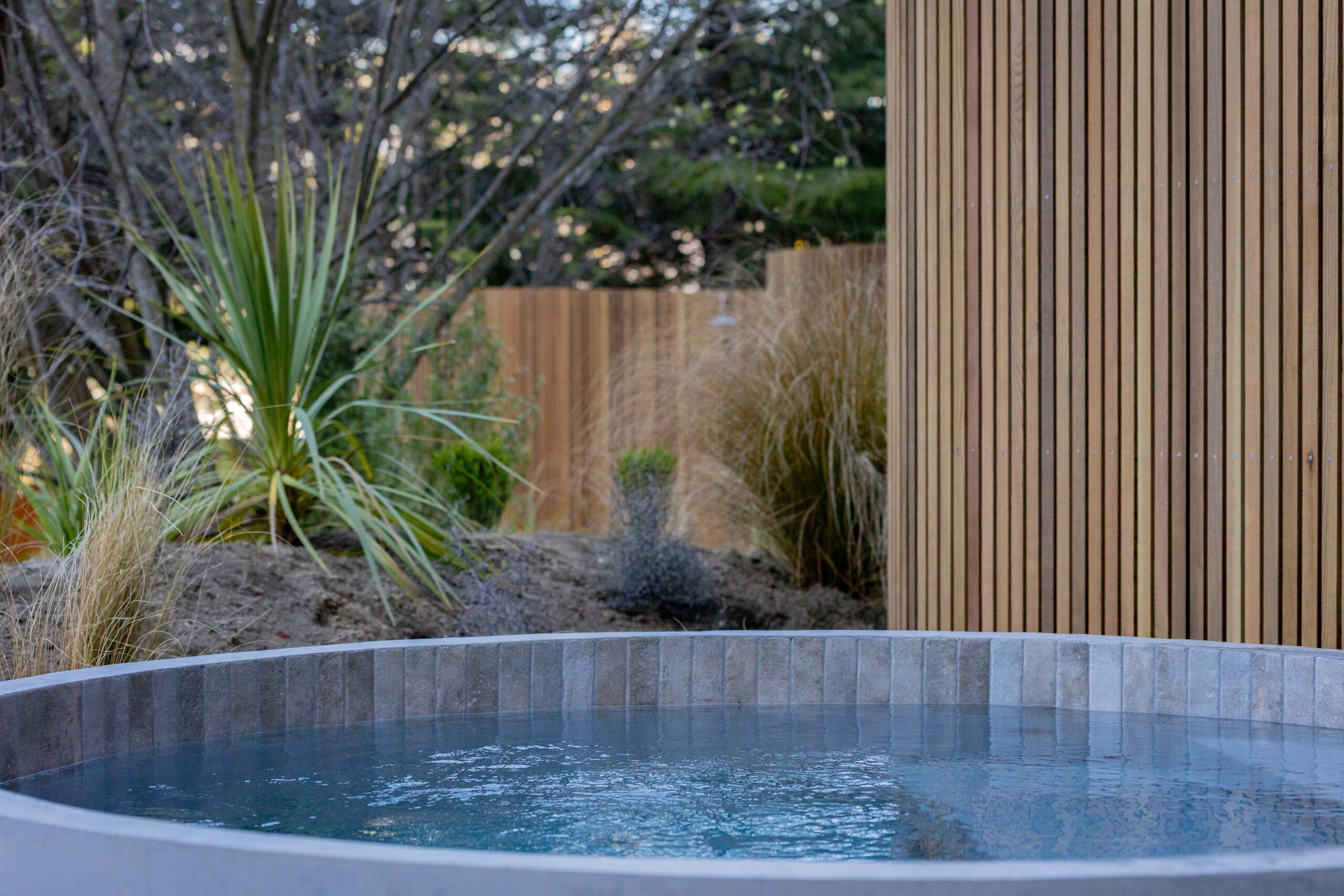
The brief included 6 weekly construction videos to show site progress, and each week to cover different sets of photography that highlighted the textures and look and feel of the business.
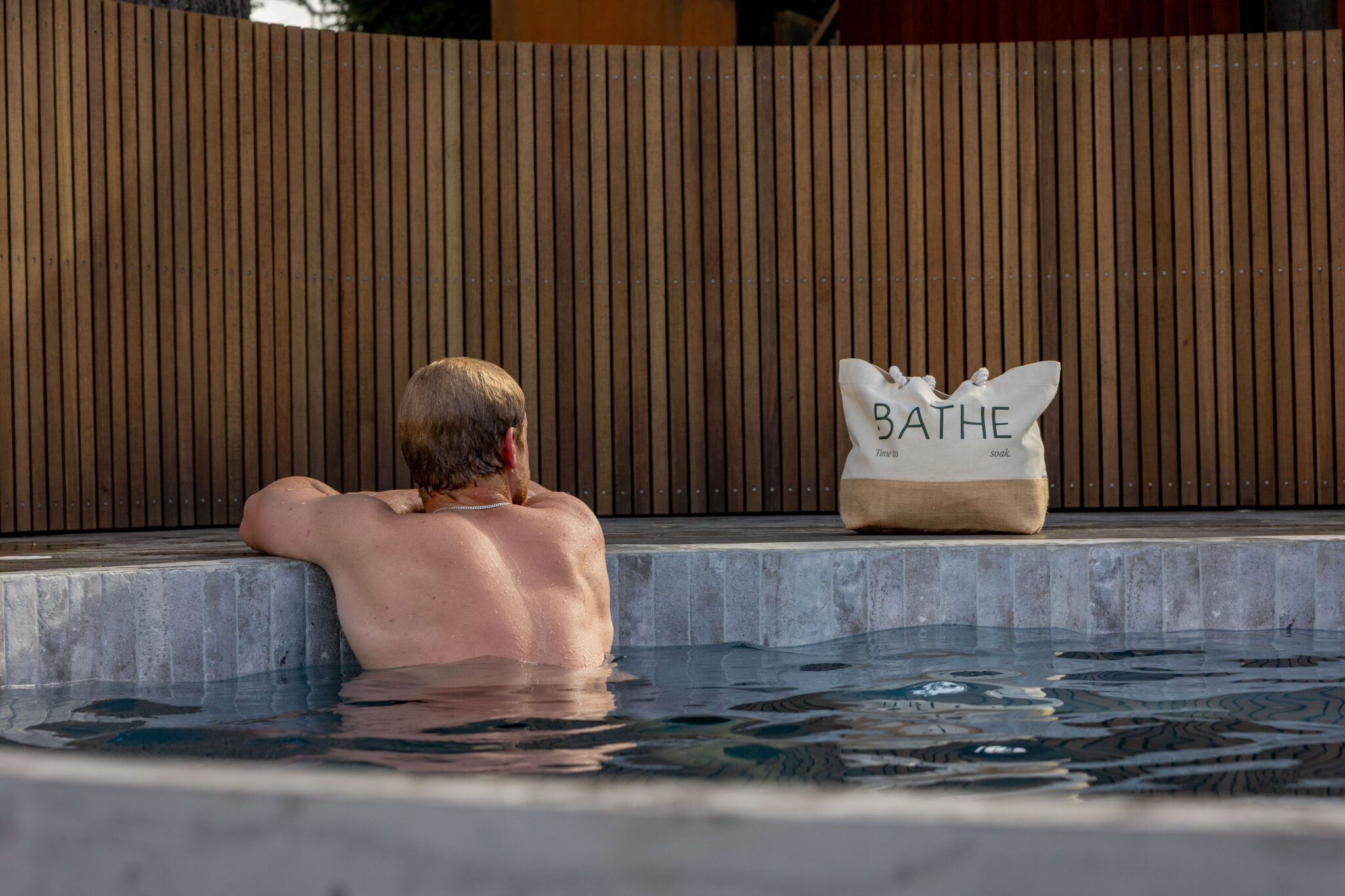
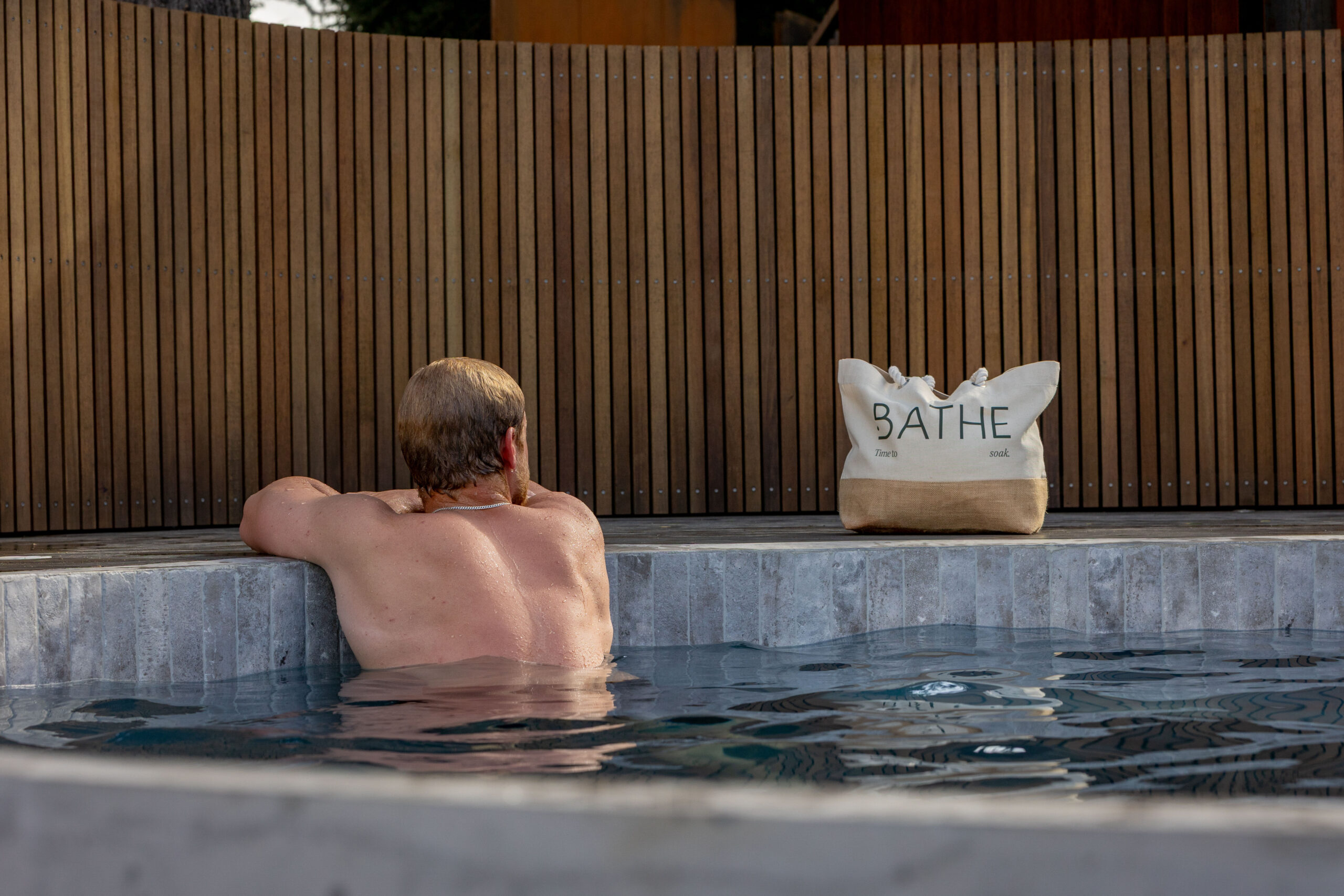
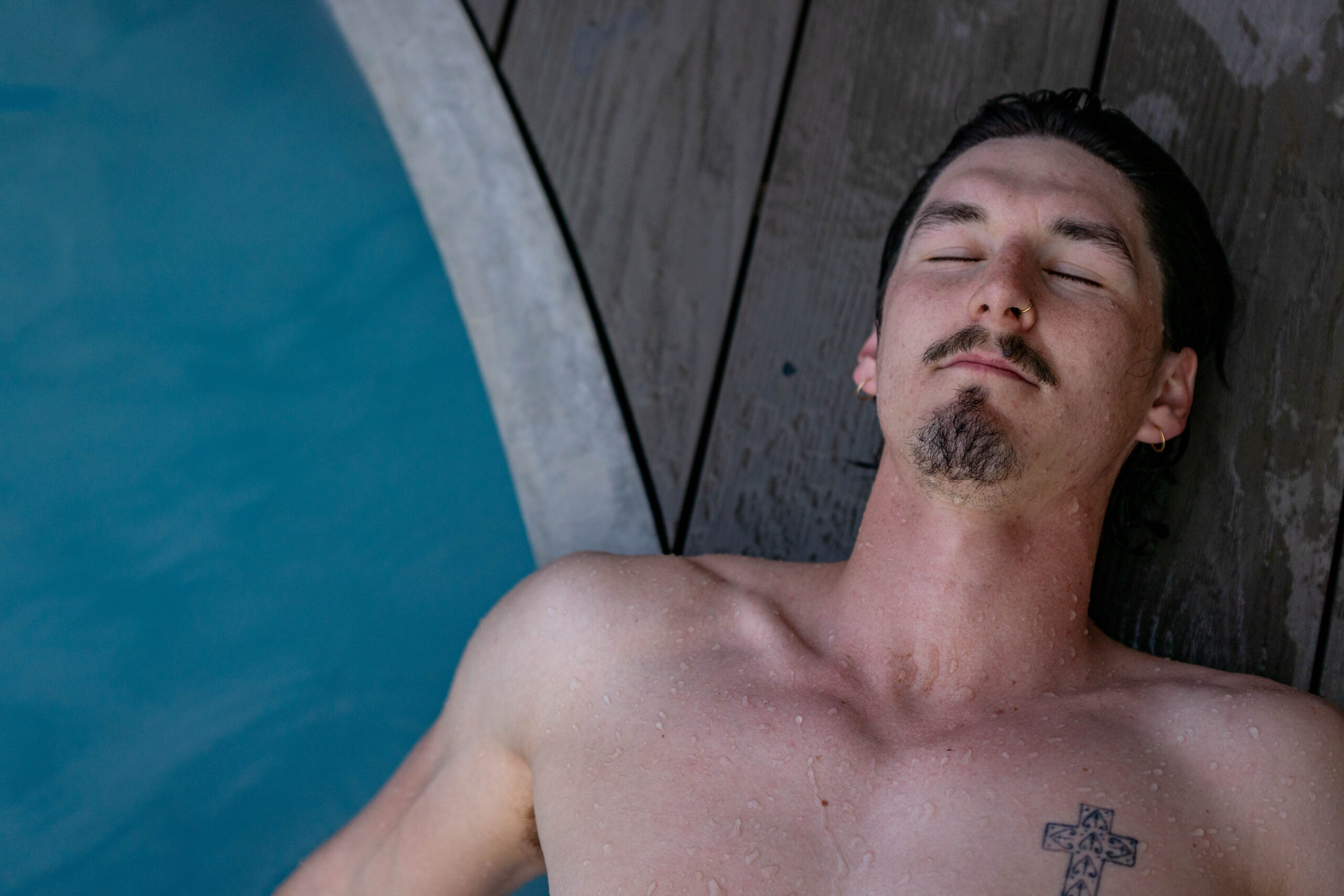
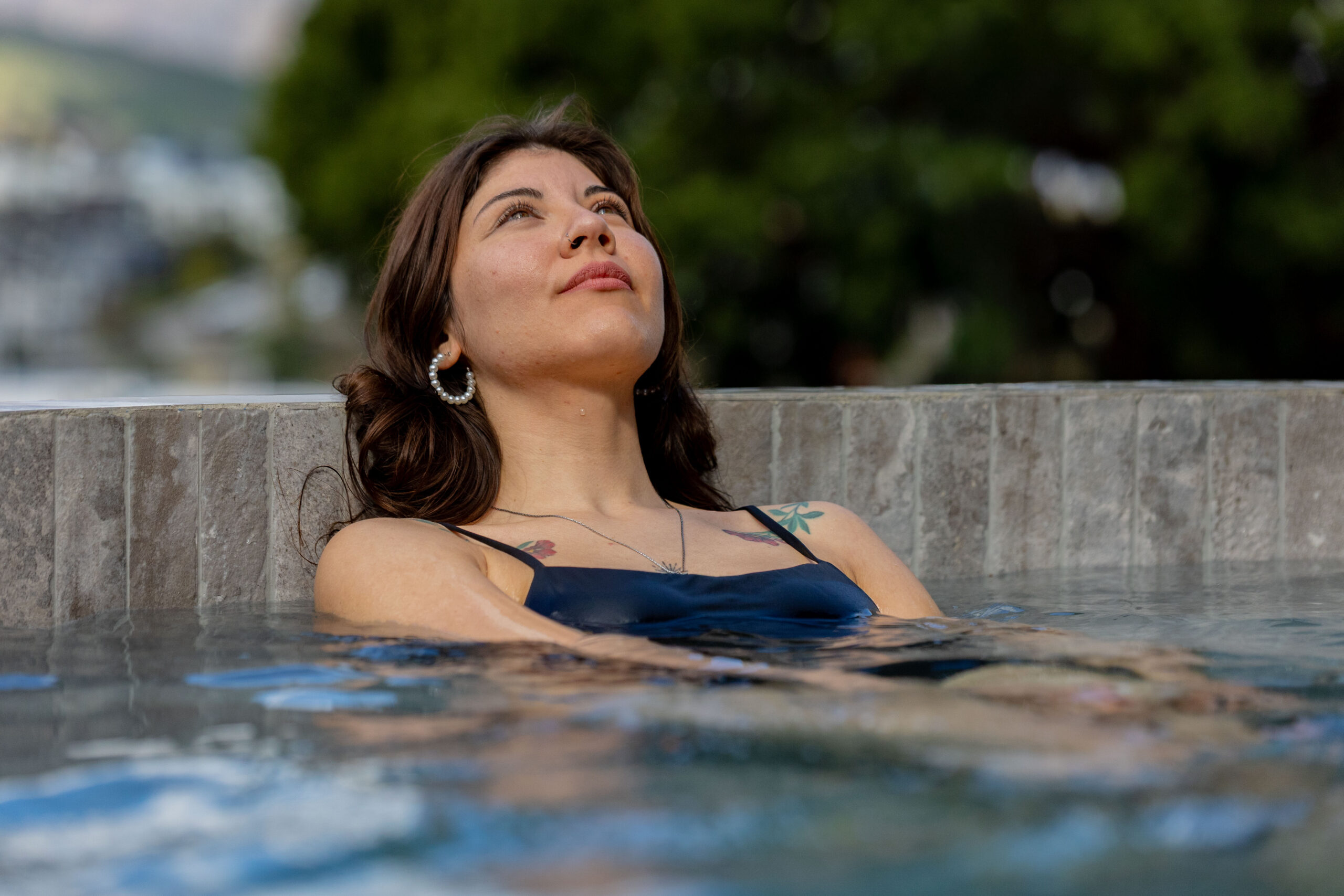
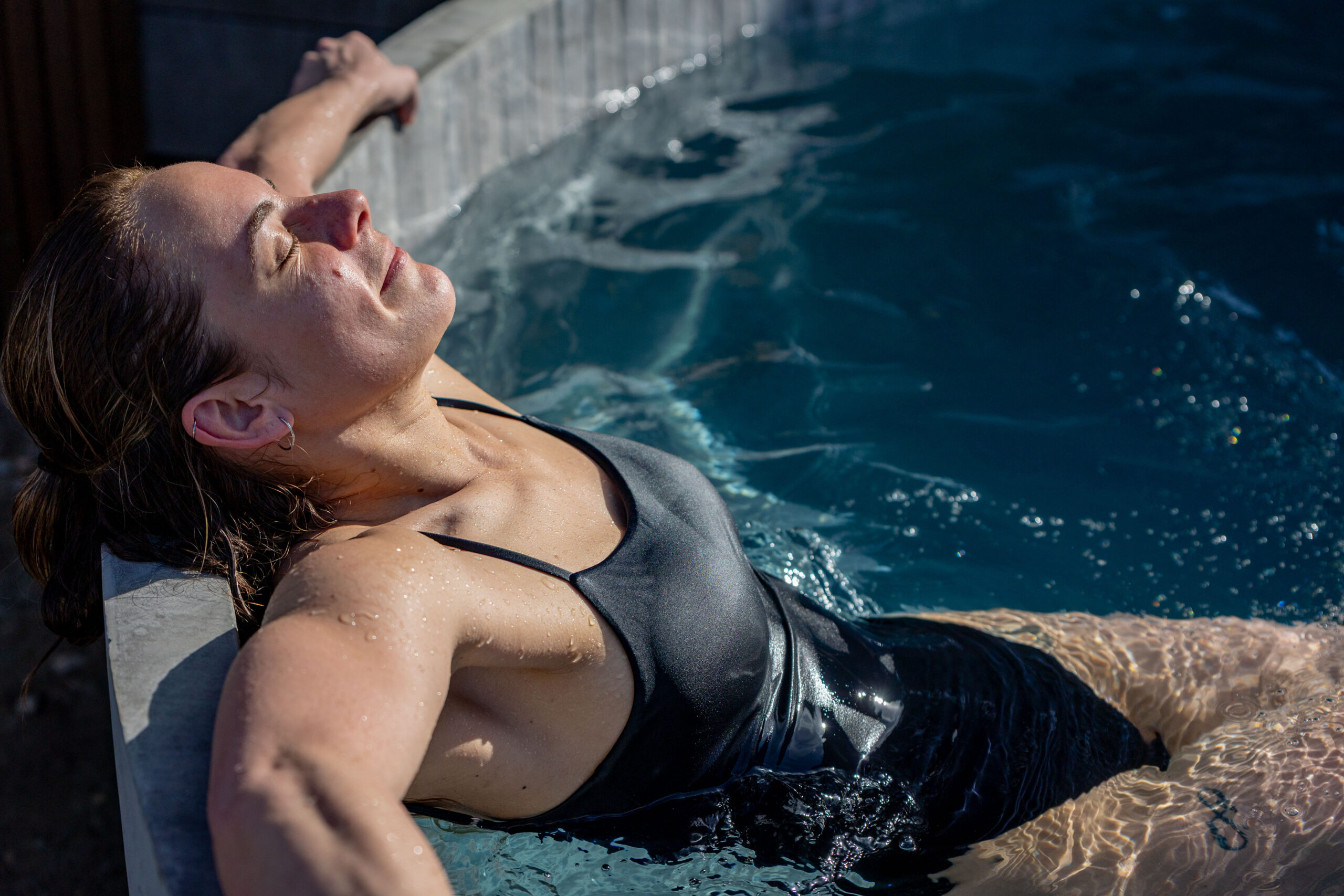
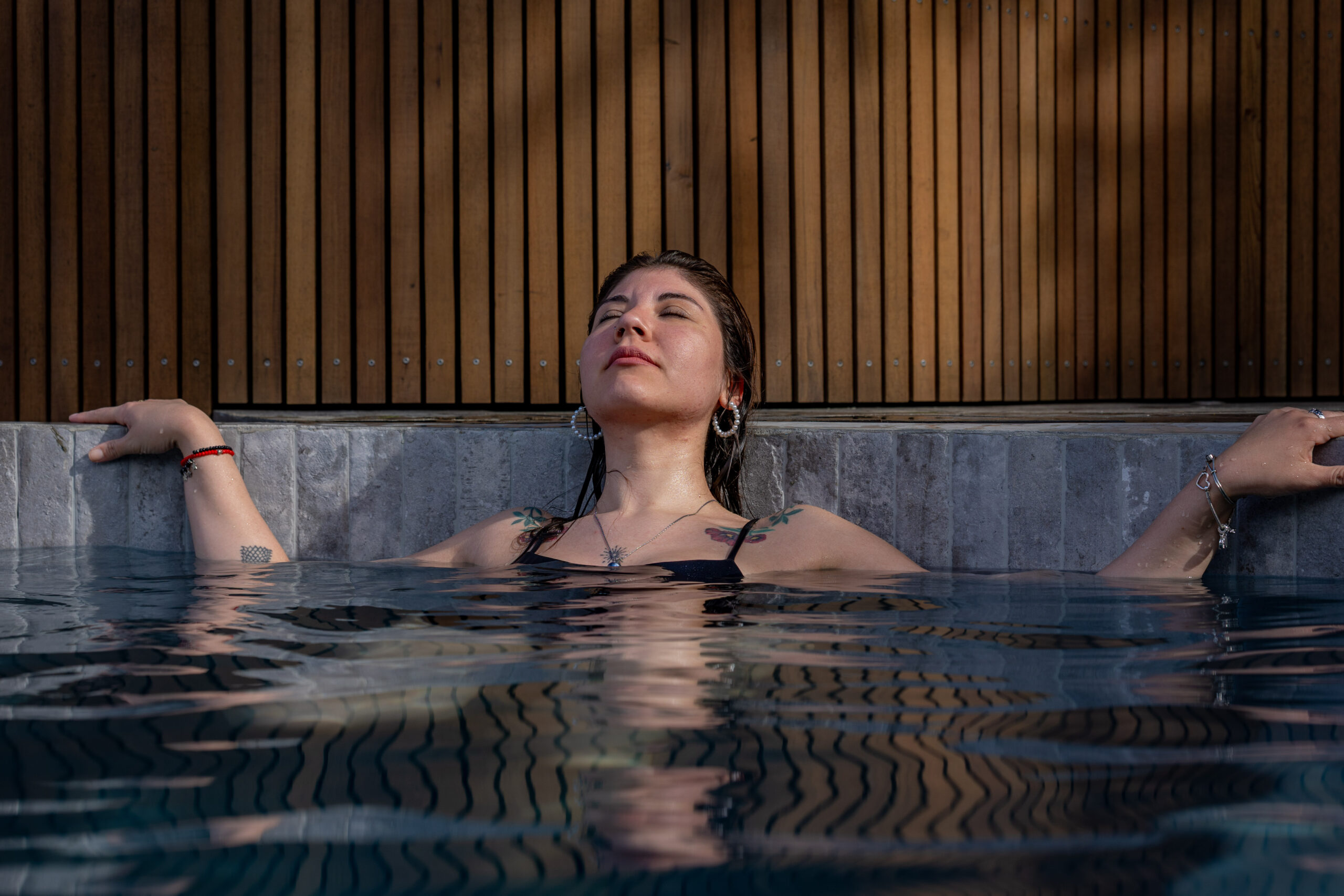
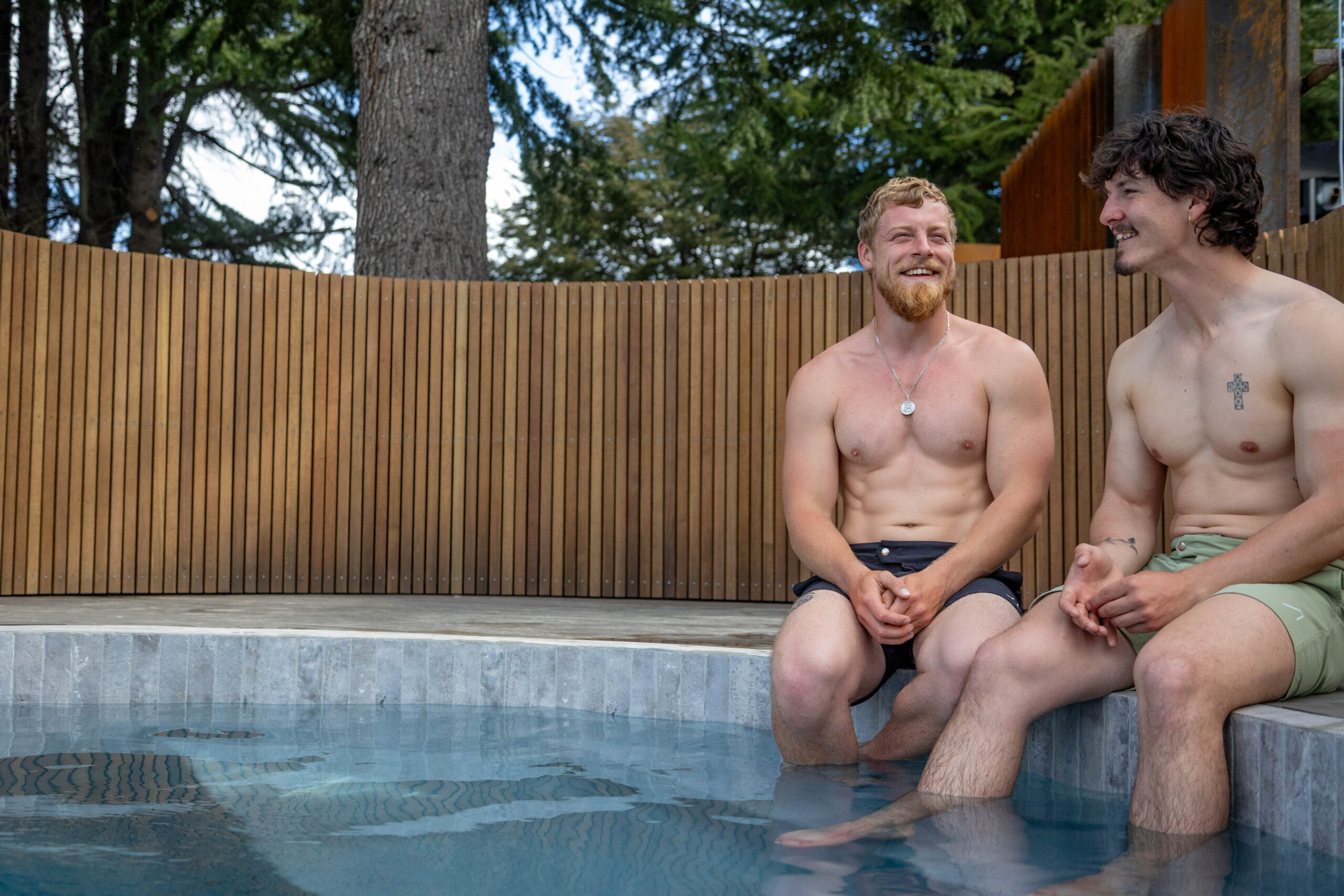
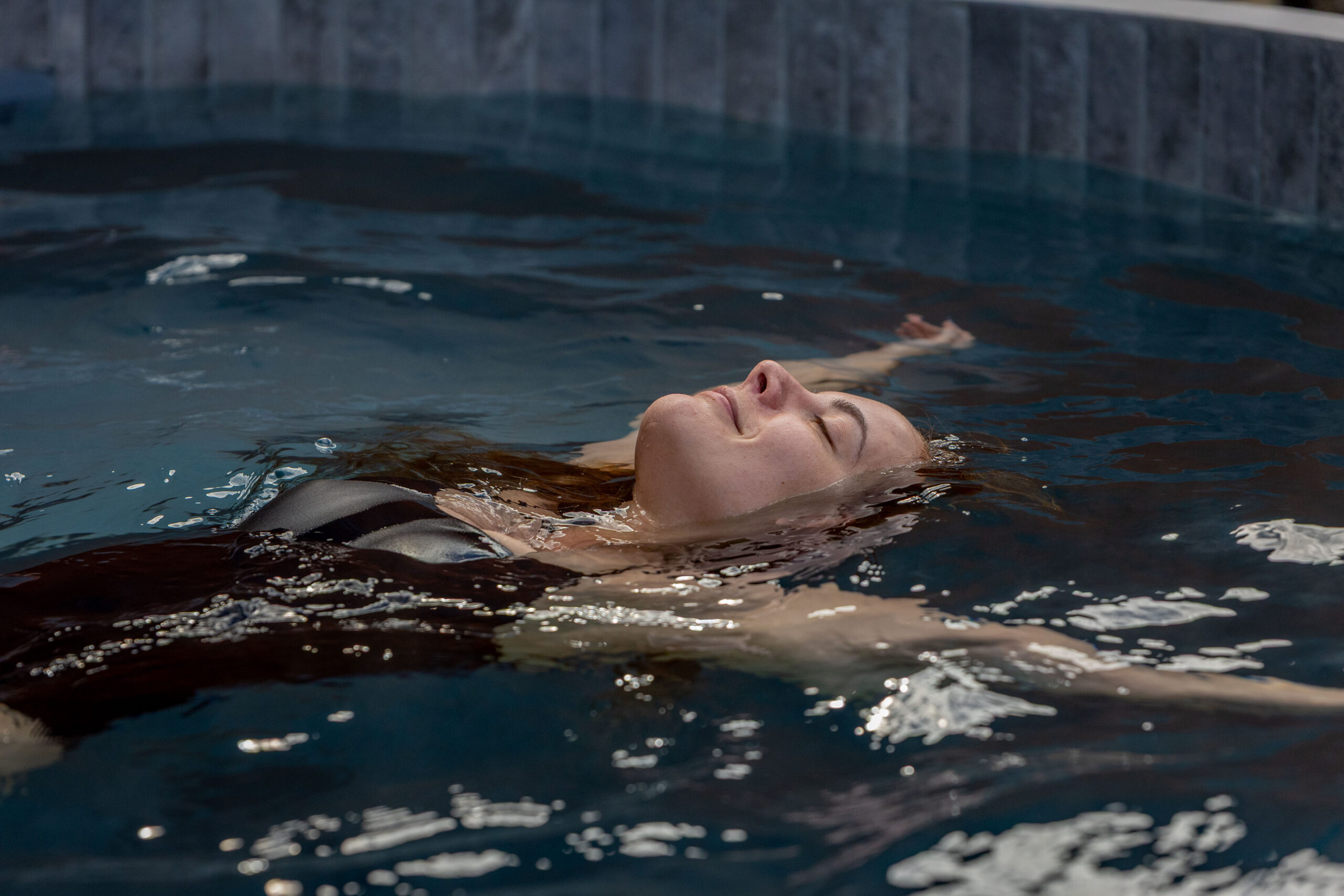
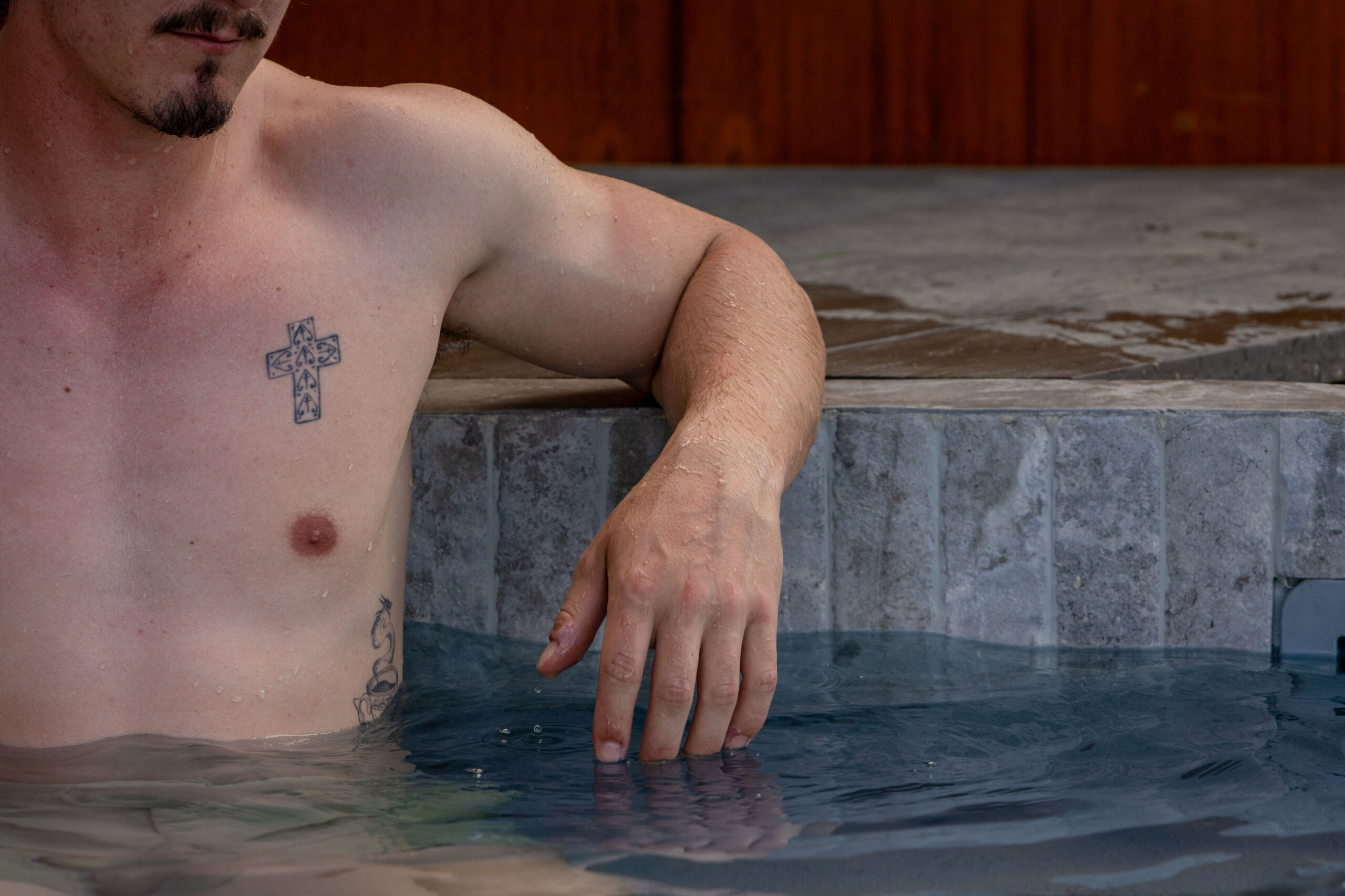
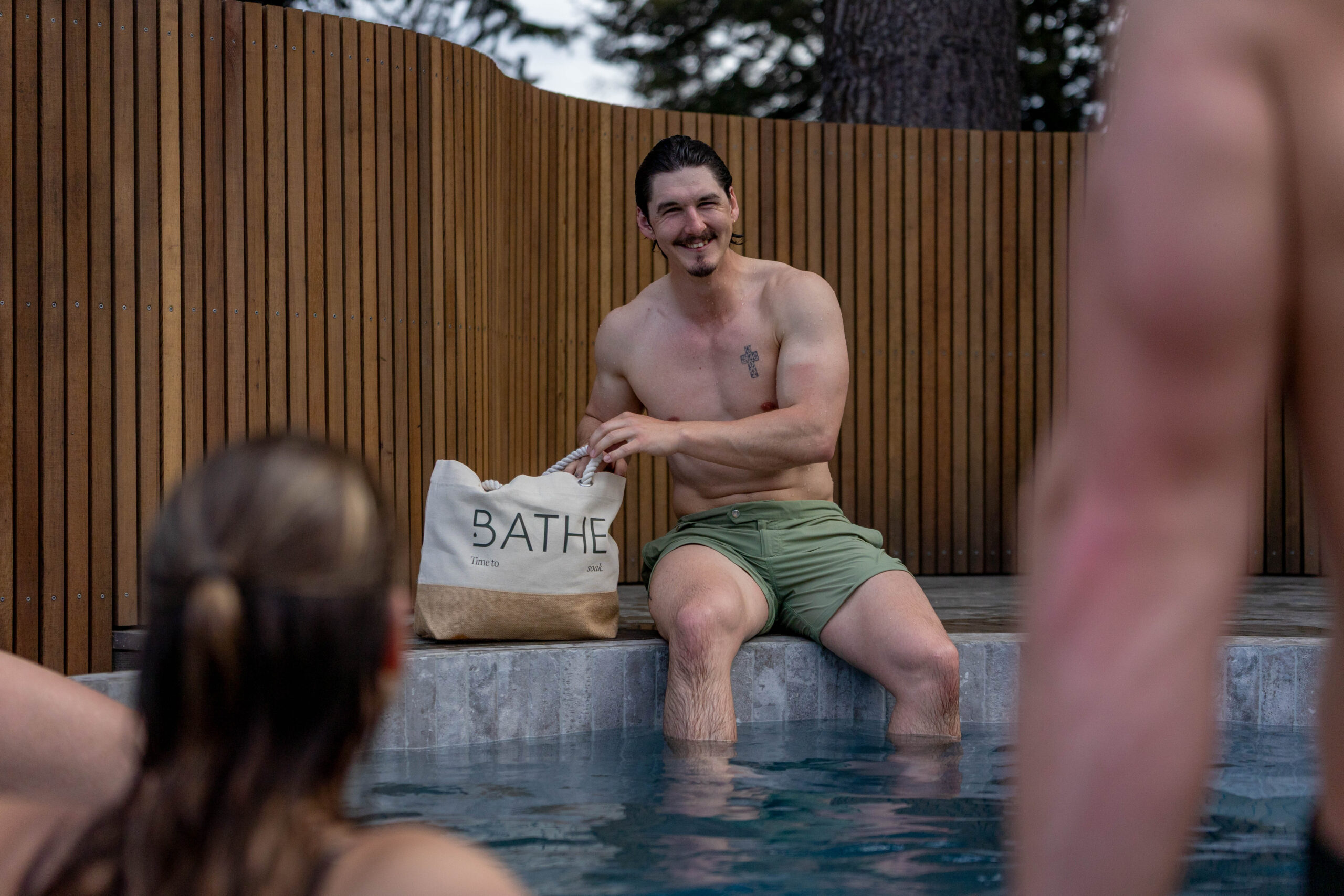
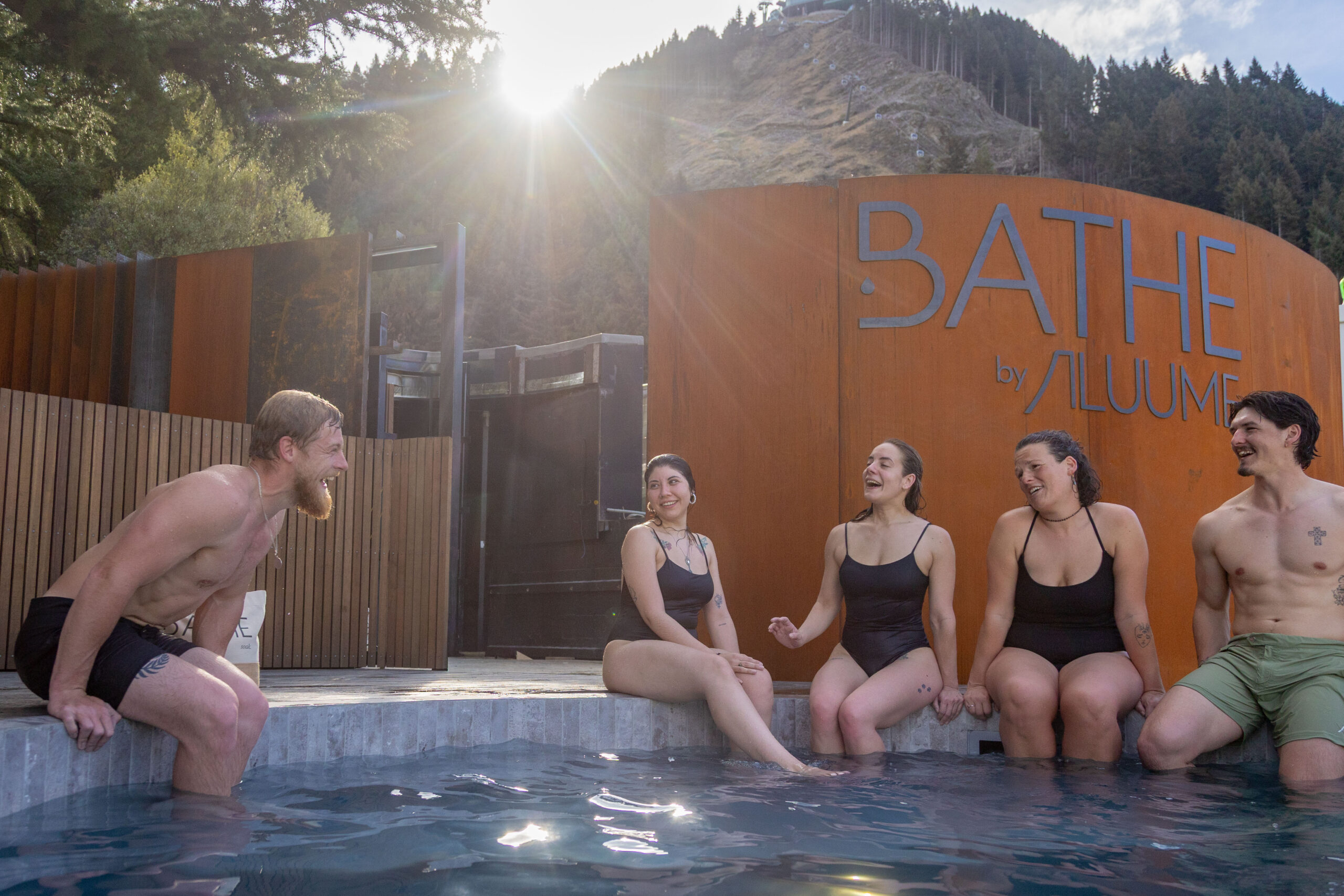
In the lead up to opening, I was asked to also shoot HERO images for the website and paid ads that included models in the pools. We had to work around the active construction site but were able to create the feeling they were hoping for and the images were seen in the local QT magazine and used in press releases and 3rd party travel partner sites.
Why we started shooting before the doors opened
Most venues call a photographer once they’re finished. The fit-out is done, the furniture is in, the lighting is set, and there’s a launch two weeks away and nothing to post until then.
Aluume went the other way. The brief included 6 weekly construction videos to show site progress, and each week to cover different sets of photography that highlighted the textures and look and feel of the business.
By opening day that meant six weeks of content already banked. They had a launch campaign ready rather than a launch post. A social feed with momentum behind it, and an audience who had watched the place being built instead of meeting it fully formed on day one. This allowed for the Bathe brand to show up across Queenstown communities and travel media to start establishing their presence ahead of the opening.
There’s a practical argument as well as a marketing one. Once a venue opens you photograph it full of people, which is what you want commercially, but the building itself disappears behind them. During the build you can photograph the materials and the bones of the place with nothing in the way — the tile before anyone has stood on it, the shape of a room before it’s furnished. Some of those frames can only be taken once, and only before the doors open
Photographing a venue that's still a building site
We had to work around the active construction site — which reads like a caveat and was actually the job for six weeks.
A live site isn’t a location you control. Tradies are working, the space changes between one week’s visit and the next, there’s no finished lighting to work with, and there are areas you simply can’t go.
The judgement call each week is what not to photograph. A half-finished room shot like a finished one just looks unfinished. It reads as a delay rather than as progress. So the weekly shoots were built around whatever had genuinely changed. New flooring, new features, changing seasons etc. Progress content only works if each instalment shows something the last one didn’t.
The other thing a build gives you is people. As it progressed, there was more action on site, more energy from them. It was important to capture them at some stage as well.
Shooting in steam, water and tile
The hero images needed models in the pools, and a wet environment is one of the least forgiving environments there is to photograph in.
Three things work against you. The first is condensation: a cold lens carried into warm, humid pool fogs instantly and stays fogged, so the gear has to be well prepped and cared for before just jumping into the shoot.
The second is reflection. Still water and wet tile mirror everything in the room lights, stands, ceilings, me. Anything you don’t want in the picture has to be moved rather than fixed later, because a reflection is in the water, not on it.
The third is that you get very few attempts. Once a model is in the water, their hair is wet and stays wet for the rest of the day. The dry look is gone after the first frame, which means the running order of the shot list matters more than it does on almost any other job…everything dry first, in sequence, then everything wet.
And through all of it the light has to stay calm. A spa is selling the feeling of being somewhere quiet and warm, so it can’t be lit like a product shoot. And this spa is in an open outdoor enviroment with changing light conditions. So there was a need to use a mixture of flash and natural depending on what was being captured.
Where the images ended up
We were able to create the feeling they were hoping for, and the content was seen across company social media channels, the local QT magazine and used in press releases, 3rd party travel partner sites and company marketing collateral.
The photo and video served as the launchpad for the brand and have since been added to the brand library for suture use.